Lajes Airport (TER), also known as Terceira Airport, is the main entry point to the island. From here, most of Terceira can be reached in less than an hour. Buses are limited, taxis are costly for long trips, and many of the island’s best-known sites are outside the main towns. Hiring a car allows you to cover Angra do Heroísmo, Praia da Vitória, Serra do Cume and Biscoitos in one circuit. Distances are short, traffic is light, and a car gives more freedom to adjust plans to weather or timing. Goldcar offers car hire at Terceira Airport with clear pricing and several vehicle categories. Booking online in advance usually secures lower rates and ensures availability in summer or during festivals. Small cars work well for narrow streets in Angra’s historic centre, while SUVs and family models are suitable for longer days out.
Why hire a car at Terceira Airport with Goldcar?
Public transport is infrequent and does not connect all points of interest. A rental car provides direct access to beaches, volcanic sites and viewpoints. Angra do Heroísmo, the island capital and a UNESCO site, is about 25 minutes from the airport. Praia da Vitória, 10 minutes east, has a long beach, marina and cafés, with views from the Facho lookout and Serra do Cume ridge. Central Terceira holds two volcanic sites: Algar do Carvão, a lava tube with a lake, and Furnas do Enxofre, a fumarole field. On the north coast, Biscoitos has natural lava pools and a wine museum. The inland road climbs to Pico Alto and Serra de Santa Bárbara for panoramic views on clear days. Driving also makes it easy to stop at villages, viewpoints and restaurants serving traditional Alcatra stew or fresh seafood. Goldcar supports visitors with online booking, express collection and optional extras such as additional drivers, GPS and child seats. Cover packages can reduce excess and include extended roadside assistance.
Vehicle types and available options at Terceira Airport
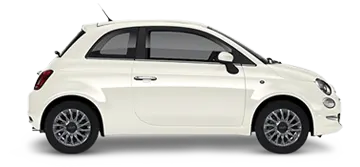
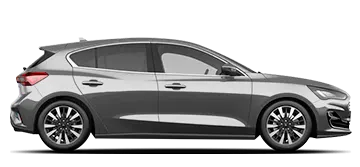
At Terceira Airport, Goldcar offers compact cars, family models, SUVs and people carriers. Compact and economy cars suit solo travellers or couples and are easier to park in town. Families often prefer larger hatchbacks or SUVs with more luggage space. People carriers are available for bigger groups. Manual transmission is standard in Portugal, but automatic and hybrid cars can be reserved in advance. Child seats are required for children under 12 or shorter than 135 cm. GPS is useful for locating viewpoints and trailheads. A toll transponder is less relevant here, as Terceira has no electronic toll motorways, but roadside assistance and extra insurance cover can be added.
Where to collect your hire car at Terceira Airport
The airport is small, and car hire desks are located inside the terminal. After collecting luggage, follow the signs to the rental counters. Depending on allocation, your car will be in the nearby car park or in a compound served by a short shuttle. Details are in the booking confirmation. At the desk, show your driving licence, passport and a payment card in the main driver’s name. A deposit is blocked on the card. If booked online, present your voucher. Before leaving, check the fuel policy, inspect the car and take photos of any marks. Confirm the correct fuel type is noted on the key tag. Leaving the airport is simple. The road network is limited but clear. Angra is reached by the south coast road, Praia by the north. Most towns are connected by single-carriageway routes. Returning the car follows the same procedure: refill if required and allow time for a brief inspection.
Exploring Terceira and surroundings by car
Angra do Heroísmo has cobbled streets, gardens and churches. Parking on the edge of the centre is easier than driving into narrow lanes. Monte Brasil, a volcanic peninsula, gives views over the harbour. Praia da Vitória offers a sandy bay, a marina and nearby viewpoints. Serra do Cume looks out over patchwork fields running to the sea. Algar do Carvão and Furnas do Enxofre are close to each other in the island’s centre. Entry to the cave is ticketed and timed, while the fumaroles can be seen from a short loop path. Biscoitos has volcanic rock pools that are safe for swimming in calm seas. The local wine museum shows the island’s viticulture, and small restaurants serve local dishes. Higher ground includes Pico Alto and Serra de Santa Bárbara. Roads here are winding and often foggy but provide the widest views in good weather. Rural parishes host seasonal bull runs and traditional cooking, adding cultural interest to drives.
Driving and parking tips in Terceira
Driving is on the right. Speed limits are 50 km/h in towns and 90 km/h on open roads. There are no long motorways, and many routes narrow through villages. Farmers often move cattle along roads, so patience is needed in rural areas. Use dipped headlights in rain, and fog is common on higher ridges. Seat belts are mandatory for all passengers. Children must travel in approved seats if under the legal height. Using a phone while driving is only legal with hands-free. The alcohol limit is lower than in the UK, at 0.5 g/l, and checks are frequent. Roundabout priority is to vehicles already on the roundabout unless signed otherwise. Parking in Angra and Praia includes free and paid zones. Blue bays usually require payment during the day via machines. Larger public car parks near the centres are easier than searching for narrow on-street spaces. Avoid yellow lines, bus stops and resident-only areas. On steep streets, park with wheels turned to the kerb. Fuel stations are in Angra, Praia and on main roads. Some pumps operate 24 hours by card. Fuel grades are unleaded 95 (gasolina) and diesel (gasóleo).
Best time to visit Terceira
Terceira has a mild oceanic climate. Winter daytime temperatures average in the mid-teens, summer in the low twenties. The driest period is May to October, when walking trails are more accessible and the sea warmer for swimming. Spring and early summer bring green landscapes and whale-watching trips. Festivals are frequent. June features Sanjoaninas in Angra do Heroísmo, with parades, concerts and cultural events. From spring to autumn, traditional bull runs take place in villages. These may close roads temporarily, so having a car makes detours easier. Winter is quieter and cheaper but wetter, with occasional storms. Whatever the season, conditions can change quickly, so bring layers and a rain jacket. In peak summer, book car hire early to secure the vehicle group you need.